
How Professional Cabinet Design Improves Kitchen Functionality
The kitchen is the heart of the home, serving not just for cooking but also for gathering and entertaining. Central to a kitchen’s usability is its cabinet design, which ensures the space is efficient, organized, and visually appealing. Professional cabinet design considers workflow, storage, materials, and technology integration, transforming a kitchen into a practical and beautiful space. A thoughtfully planned kitchen not only improves everyday tasks but also elevates the overall lifestyle, making meal preparation more enjoyable, organized, and less stressful for everyone involved.
Good cabinet design goes beyond aesthetics. Poor layouts can create clutter and inefficiency, while strategic planning streamlines cooking and enhances daily routines. Professionals optimize space, accessibility, and functionality, resulting in cabinets that are both practical and attractive. This article explores layout, materials, storage, and aesthetics, illustrating how thoughtful cabinet design elevates kitchen usability and adds value. With careful attention to detail, homeowners can achieve kitchens that reflect their personal style while fully supporting their household needs and long-term convenience.
The Role of Cabinet Layout in Kitchen Efficiency
Optimizing Workflow Patterns
Workflow is central to kitchen efficiency. The "kitchen work triangle"—positioning the sink, stove, and refrigerator for easy access—minimizes unnecessary movement. Professional designers create layouts tailored to a homeowner’s cooking habits, ensuring smooth transitions between food prep, cooking, and cleaning tasks. A well-planned cabinet layout provides immediate access to utensils, cookware, and ingredients, improving the cooking experience. Thoughtful workflow planning also allows multiple people to work comfortably in the kitchen simultaneously without interference, which is essential for families and those who enjoy entertaining guests.
Specialized storage zones, such as areas for baking or beverage prep, enhance usability. Pull-out trays, deep drawers, and custom pantry cabinets keep essential items organized and within reach. Even appliances like stand mixers or sous vide machines can be accommodated, keeping counters clear. These design decisions optimize daily routines while maintaining a clean and efficient kitchen environment. By integrating both workflow and storage in cabinet design, designers create kitchens that are intuitive, highly functional, and adaptable to changing household needs over time.
Maximizing Space Utilization
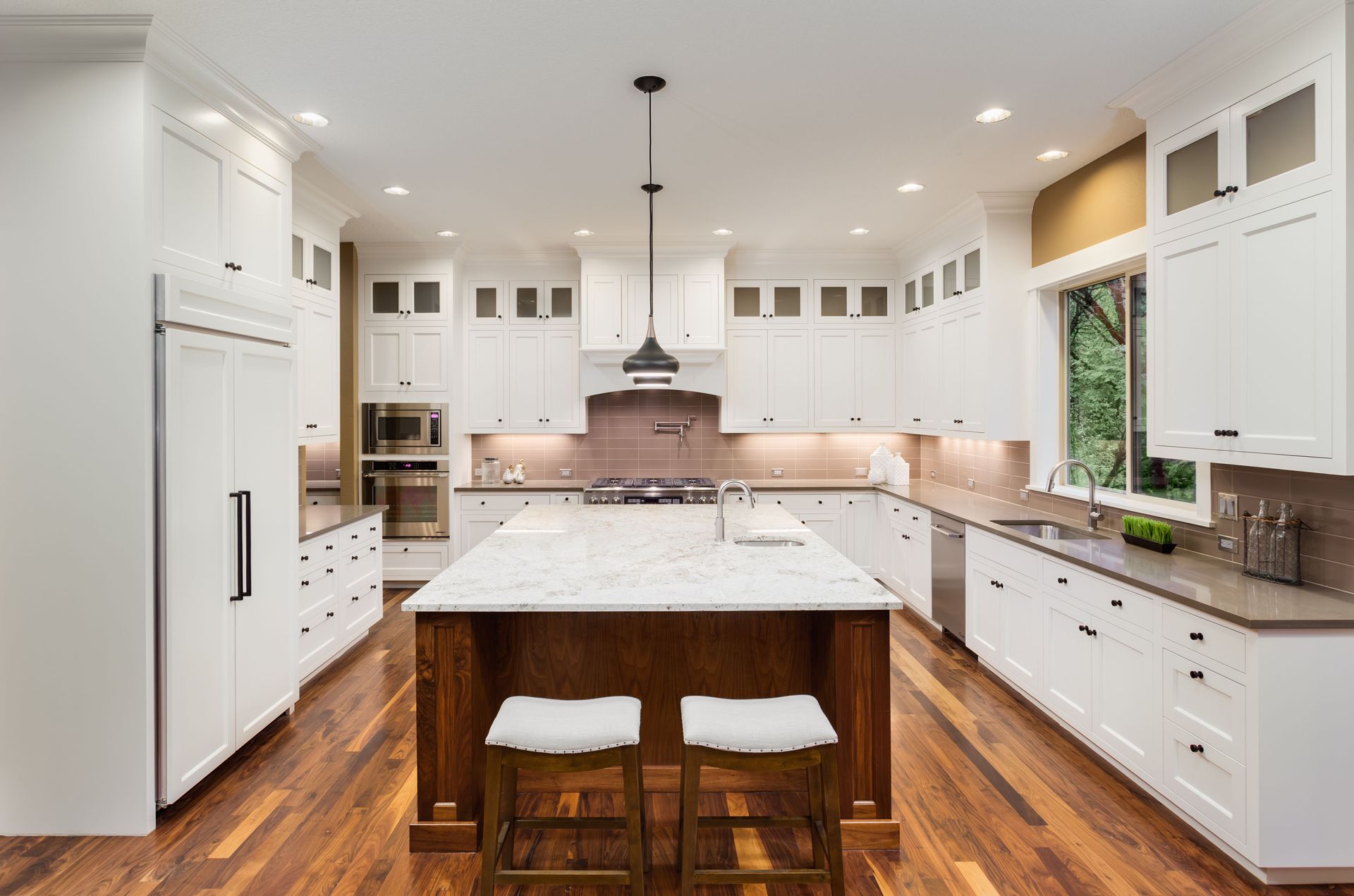
Professional cabinet designers maximize every inch of kitchen space. In small kitchens, vertical storage and narrow pull-out drawers make the most of limited areas. For larger kitchens, ample storage is integrated without overwhelming the design. Ceiling-height cabinets store rarely used items while keeping everyday essentials accessible. Retractable or folding cabinet doors further optimize movement and space. These techniques allow homeowners to enjoy a sense of openness while maintaining comprehensive storage solutions that reduce clutter and keep items organized.
Custom solutions can include spice racks in narrow gaps, hidden drawers, or technology integration, such as in-drawer charging stations. According to HomeAdvisor, custom cabinets typically recoup more than 70% of their cost at resale. Thoughtful cabinet design ensures long-term functionality while maintaining an open and inviting kitchen layout. By planning layouts with both space efficiency and future adaptability in mind, designers create kitchens that can evolve with changing needs and lifestyle adjustments, ensuring the space remains practical for years to come.
Placement of Essential Appliances
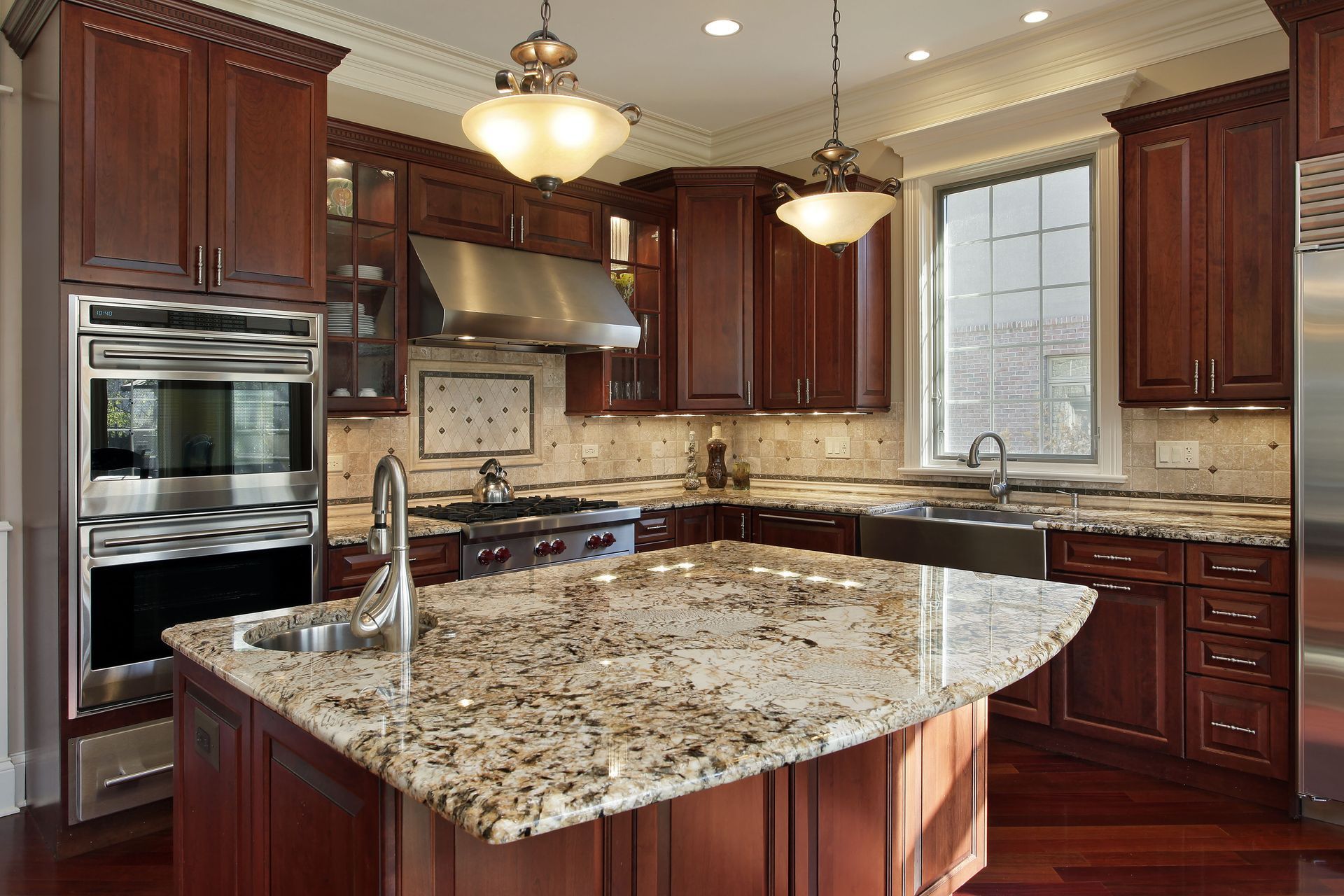
Cabinet layouts must consider appliance placement for efficiency and aesthetics. Integrating appliances within cabinetry creates a cohesive look while maintaining accessibility. For example, placing the dishwasher near the sink reduces task time, and overhead cabinets can store cooking books or utensils. Custom enclosures with ventilation allow for modern appliances while maintaining a sleek appearance and preventing heat or moisture buildup.
Appliance placement also enhances safety. Raised ovens reduce bending, and flush cooktops eliminate tripping hazards. Childproof latches and strategic cabinet spacing improve usability and safety. Professionals design layouts where appliances blend seamlessly with cabinetry while optimizing workflow and accessibility. These design decisions ensure that every appliance contributes to both functionality and visual harmony within the kitchen, supporting both everyday cooking and entertaining activities.
Integrating Accessibility Features
Accessible cabinet design makes kitchens functional for all users. Pull-down shelves, touch-latch doors, and adjustable shelving support mobility and convenience. Modular components allow customization for various kitchen items, while smart-home technology can integrate voice-activated or touchless drawers. These features combine ease of use with elegant aesthetics, creating inclusive and welcoming spaces.
Accessibility also enhances resale appeal, attracting buyers seeking adaptable and forward-thinking designs. Professionals balance functionality and style, ensuring accessible features fit seamlessly within the overall cabinet design. Integrating thoughtful accessibility measures demonstrates that kitchen design can prioritize inclusivity without compromising style, efficiency, or storage capacity, making the kitchen accessible to people of all ages and abilities.
Aesthetic Considerations and Practicality
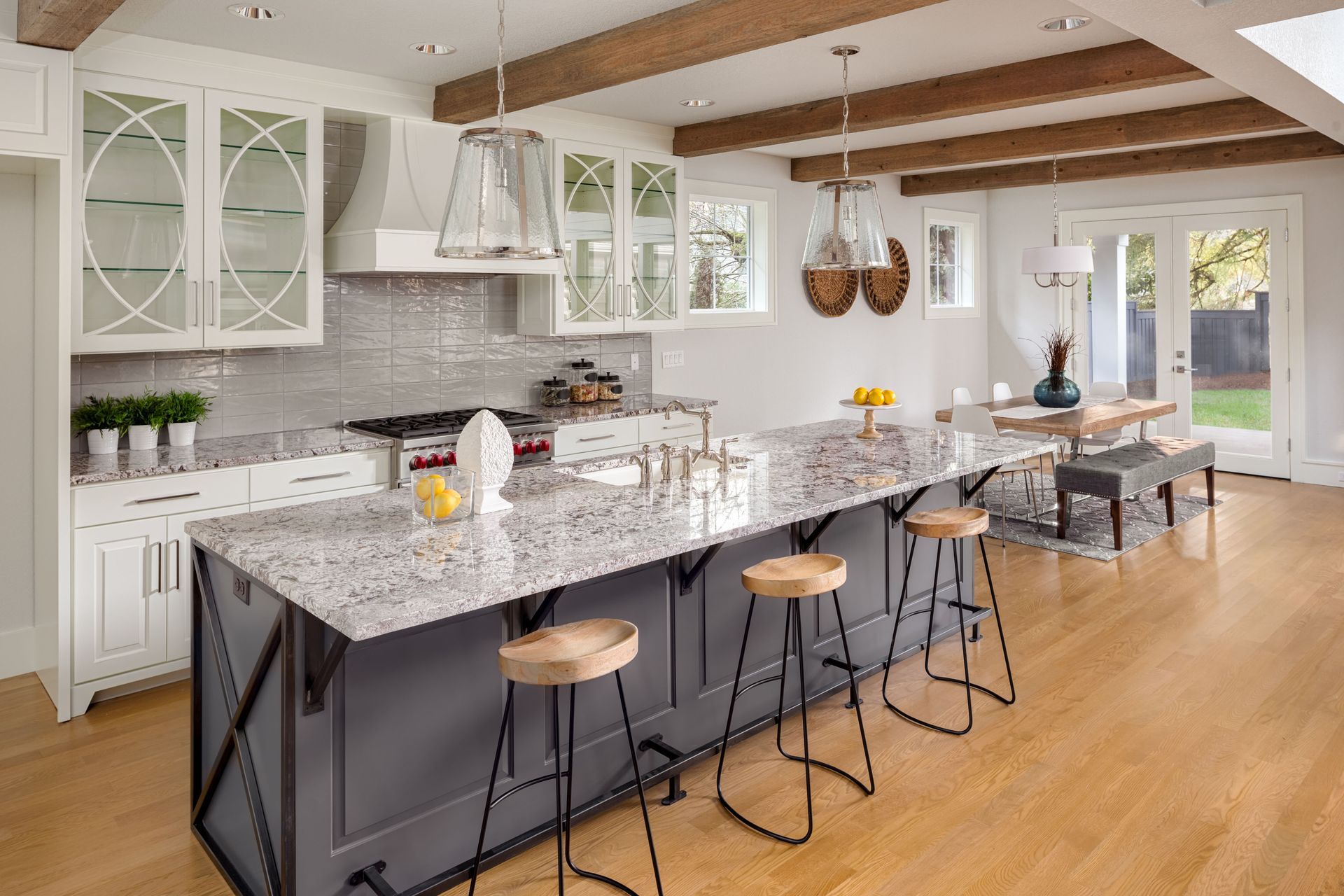
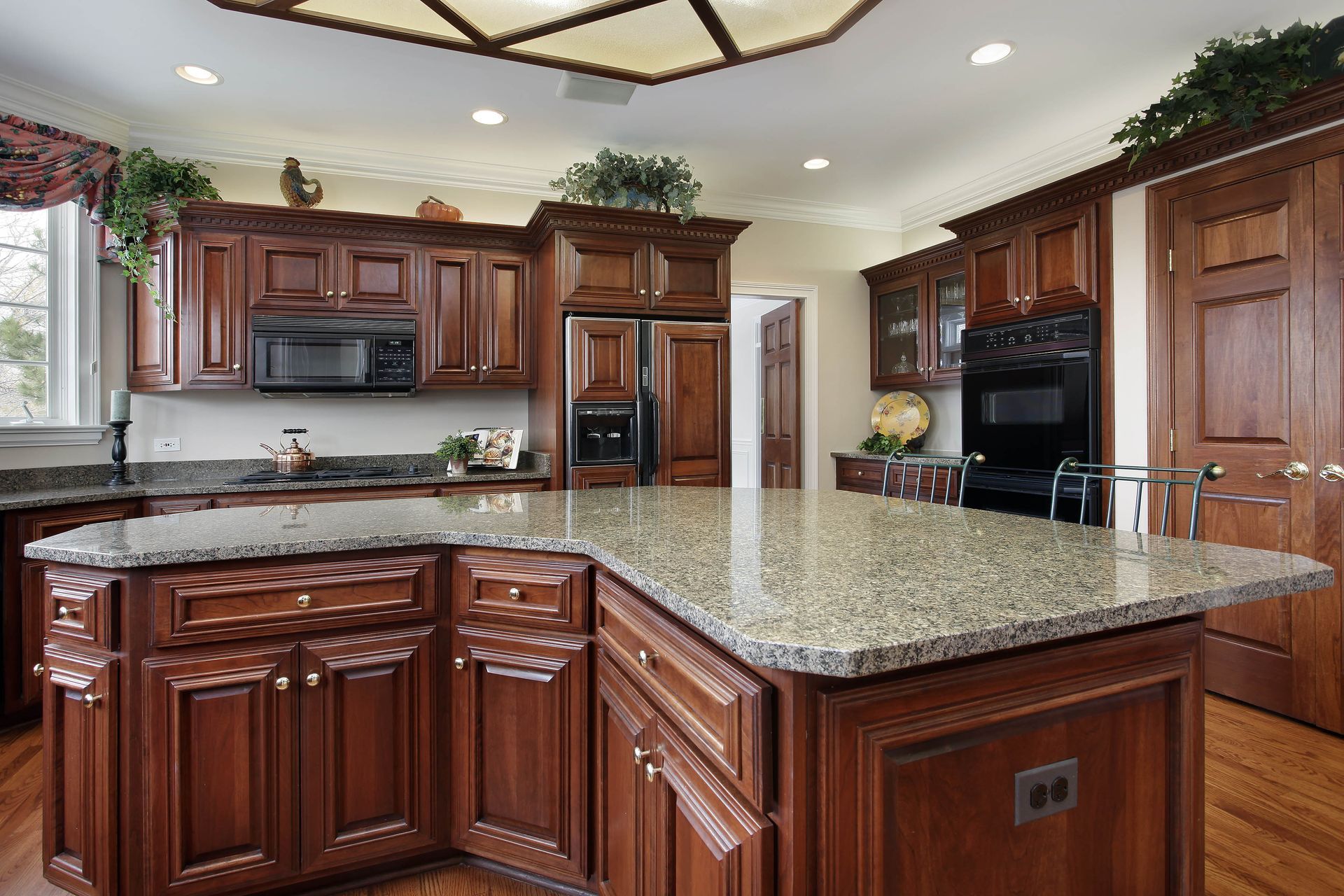
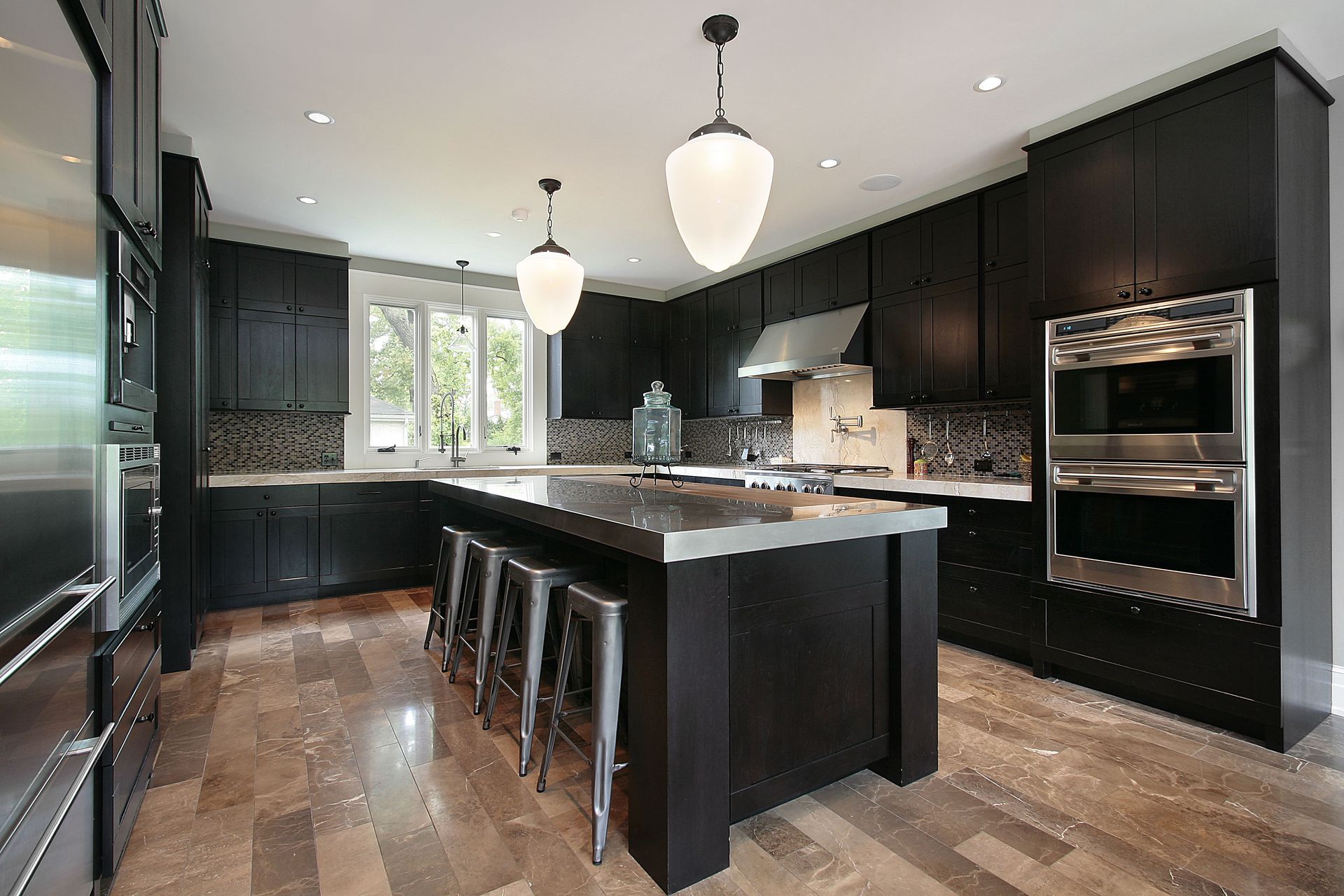
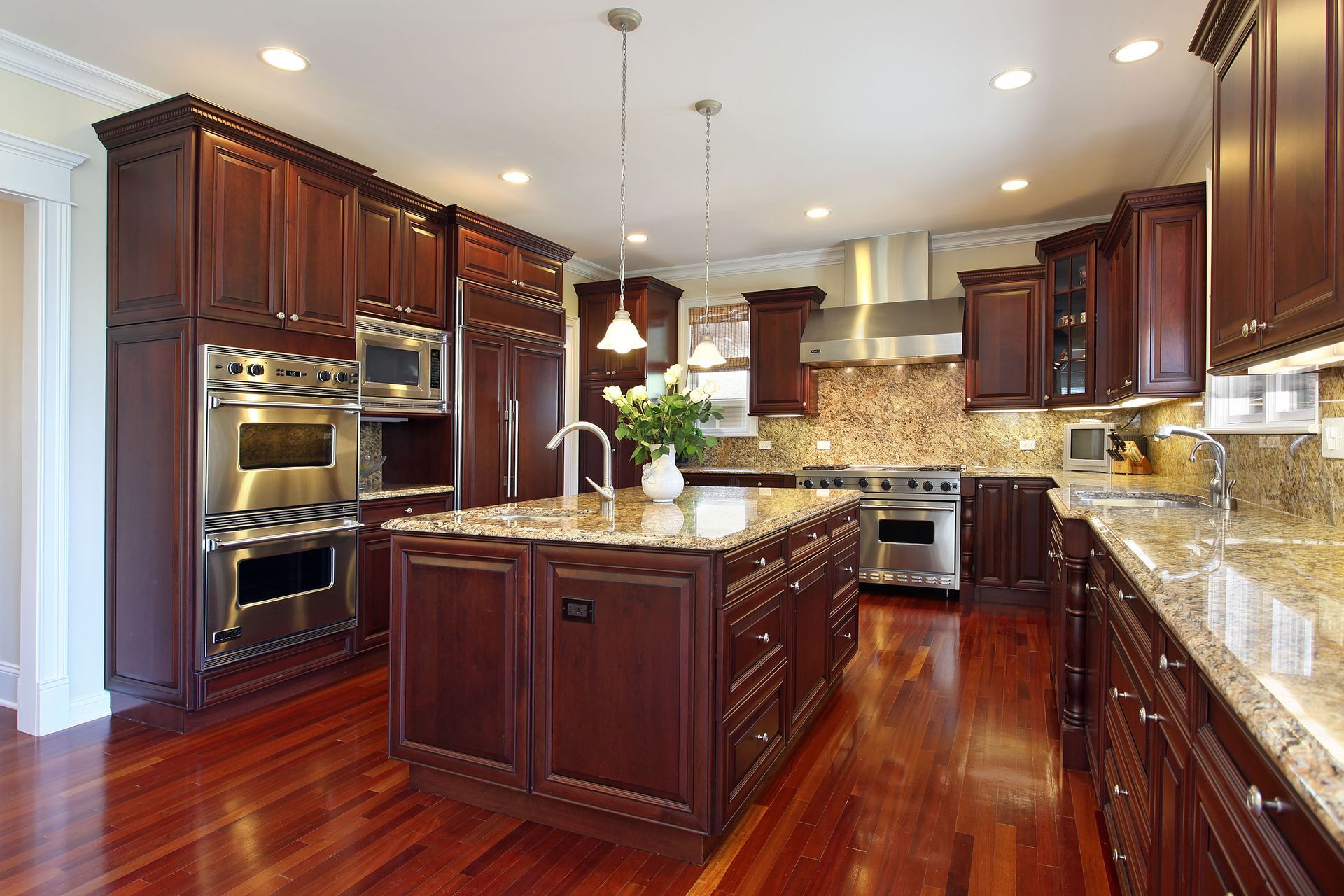
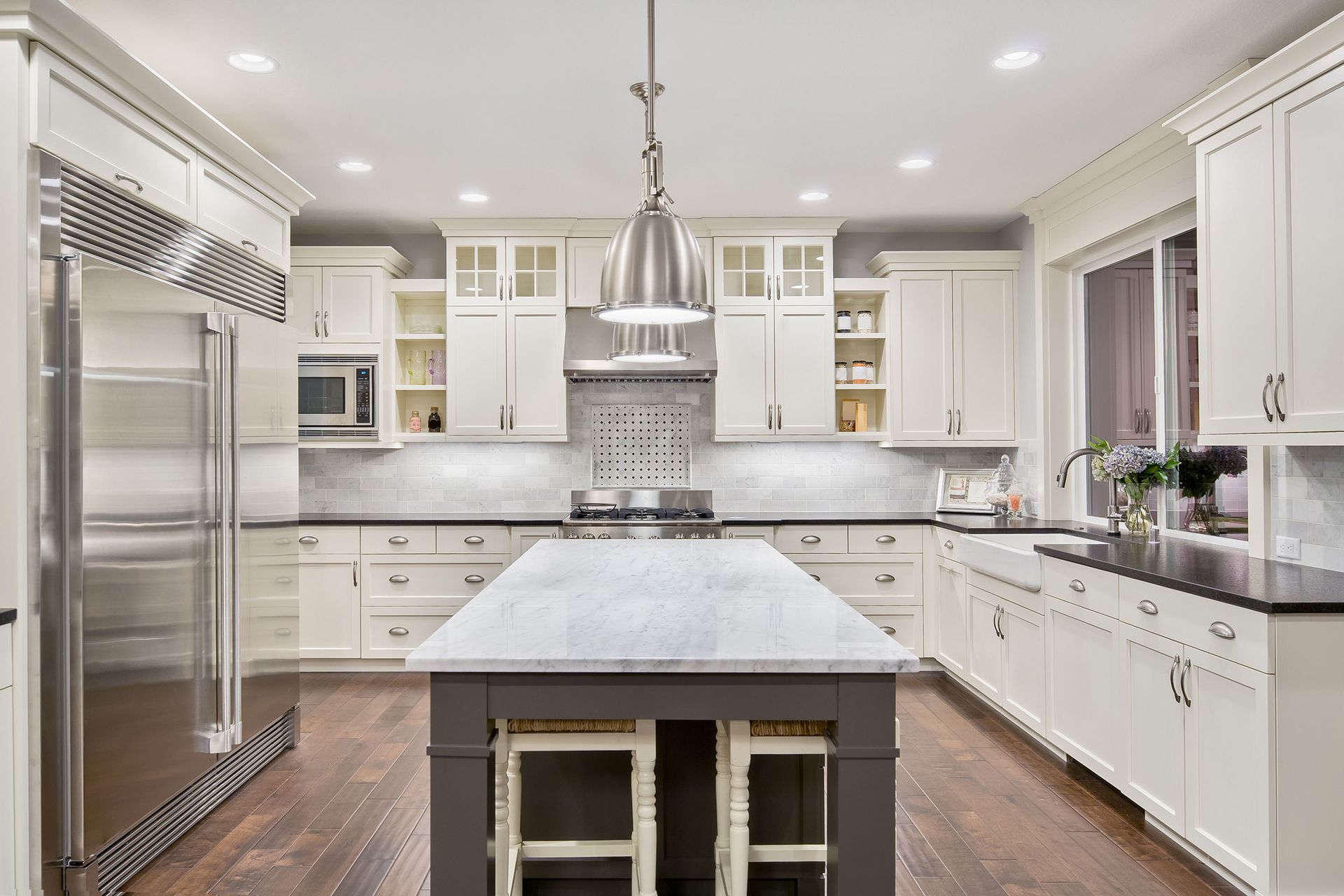
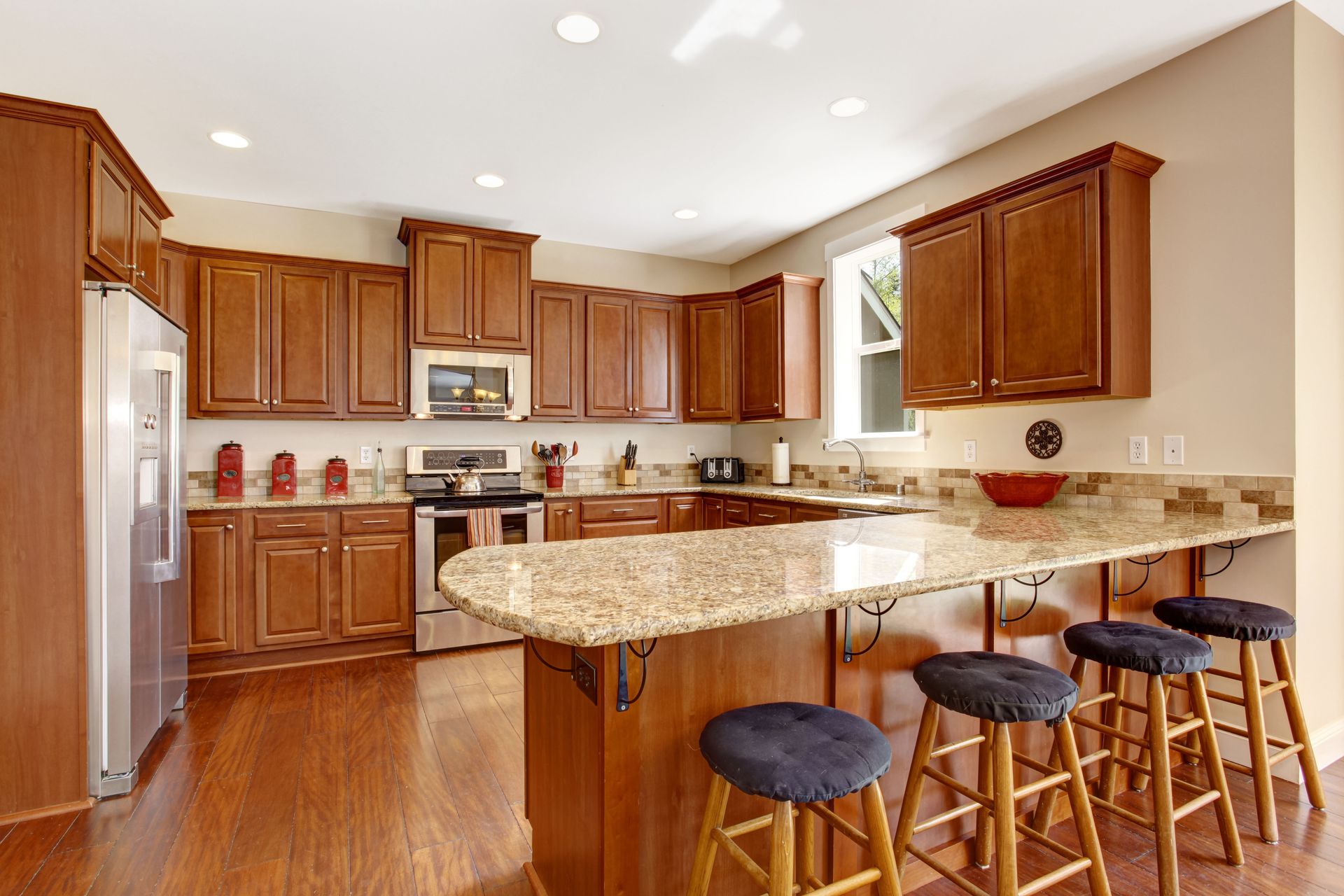
Cabinet aesthetics complement functionality. Choices in styles, finishes, and hardware influence a kitchen’s visual appeal. Classic shaker cabinets or modern flat panels can harmonize with countertops, backsplashes, and flooring to create a cohesive look. Crown moldings, glass-paneled doors, and accent lighting highlight design while remaining practical and enhancing usability.
Durable materials and hardware ensure cabinets withstand daily use. Scratch-resistant finishes, strong hinges, and easy-to-clean surfaces maintain both beauty and usability. Professional cabinet design balances aesthetics and practicality, creating kitchens that are visually appealing, functional, and long-lasting. By combining careful material selection with creative layouts, designers ensure kitchens remain inspiring and highly functional over time while maintaining a cohesive style that reflects homeowners' tastes.
Material Choices and Their Functional Implications
The Durability Factor
Material selection is key to long-lasting cabinet design. Kitchens endure frequent use, so materials like hardwood, plywood, or MDF provide strength and longevity. Durable cabinets resist damage from moisture, heat, and heavy use while sustaining aesthetic appeal. These choices ensure that cabinets remain functional and attractive over time, contributing to a kitchen’s overall value. Selecting high-quality materials allows cabinets to retain their integrity, finish, and design appeal for years, even in the busiest kitchens, making them a practical investment.
Impact on Maintenance and Cleaning
Maintenance is influenced by material choice. Smooth, non-porous surfaces simplify cleaning, reducing effort and keeping kitchens hygienic. Laminate, glazed wood, or stainless steel surfaces resist stains and water damage, making them practical for busy households. Professional cabinet design balances aesthetics with low-maintenance materials to create kitchens that remain attractive and functional with minimal upkeep. In addition, surfaces designed for easy cleaning help promote hygienic conditions, reduce wear over time, and extend the lifespan of the cabinets.
Cost-Benefit Analysis
Evaluating cabinet materials involves balancing cost, durability, and aesthetics. High-end woods like maple or oak offer durability and timeless appeal, while laminate and MDF provide budget-friendly alternatives. Professionals guide homeowners in selecting materials that optimize quality, longevity, and long-term value. Cabinets that are durable and well-designed provide a smart investment, enhancing usability and home resale potential. Cost considerations also include long-term maintenance, ensuring that cabinets remain functional, attractive, and valuable for years to come.
Professional cabinet design significantly improves kitchen functionality, efficiency, and aesthetics. By optimizing layout, maximizing storage, selecting durable and sustainable materials, and integrating accessibility and technology, designers create kitchens that are practical, beautiful, and adaptable. Tailored cabinet solutions enhance workflow, safety, and organization, making daily tasks more enjoyable. Incorporating small details, like customized storage and intelligent placement, ensures the kitchen meets both immediate and long-term needs, while remaining comfortable and visually appealing.
Investing in professional cabinet design also has economic benefits. High-quality, well-designed cabinets not only improve daily life but also provide a strong return on investment, recouping a substantial portion of their cost at resale. Thoughtful design ensures that a kitchen remains both a functional workspace and a welcoming social area for years to come, demonstrating the transformative power of professional cabinet design. Ultimately, careful planning, creative solutions, and attention to detail enrich both the experience and value of modern kitchens. For more information, contact Bestile Cabinet El Monte.

Share On: